
-
Organic Honeycomb Rib - Cedar
Regular price €12,50 EURRegular price€17,61 EURSale price €12,50 EURSale -
Organic Light Rib - Apricot Sunset
Regular price €15,51 EURRegular price -
Organic Light Rib - Ecru
Regular price €15,51 EURRegular price -
Organic Light Rib - Blood Orange
Regular price €15,51 EURRegular price -
Recycled Jersey - Light Grey
Regular price €17,08 EURRegular price€0,00 EURSale price €17,08 EUR -
Recycled Jersey - Grey
Regular price €17,08 EURRegular price -
Re-Life NILCOTT® Organic Single Jersey off-white 145 gsm - Offwhite
Regular price €17,35 EURRegular price -
Re-Life NILCOTT® Recycled Single Jersey Active Comfort gray 150 GSM - Grey
Regular price €18,59 EURRegular price -
Re-Life NILCOTT® Recycled Single Jersey pink 135 gsm - Pink
Regular price €18,59 EURRegular price -
Organic Waffle Rib - Lemon
Regular price €22,07 EURRegular price -
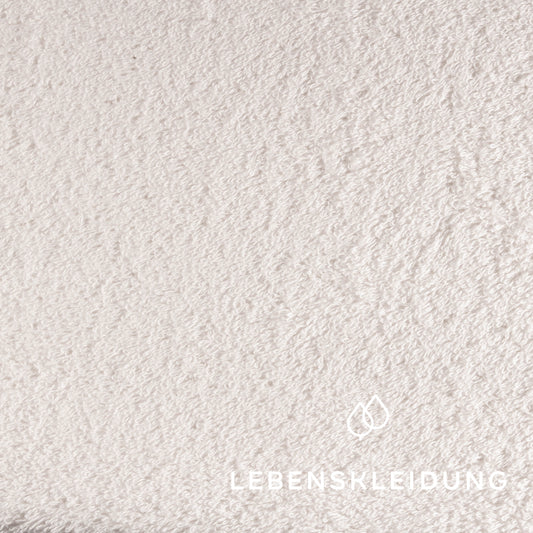
Organic Reblend Terry Cloth - Natural
Regular price €22,15 EURRegular price€0,00 EURSale price €22,15 EUR -
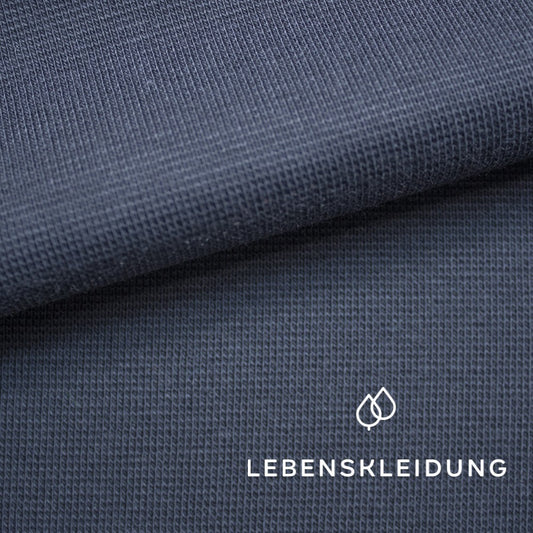
Organic ribbing fabric - Navy
Regular price €23,54 EURRegular price€0,00 EURSale price €23,54 EUR -
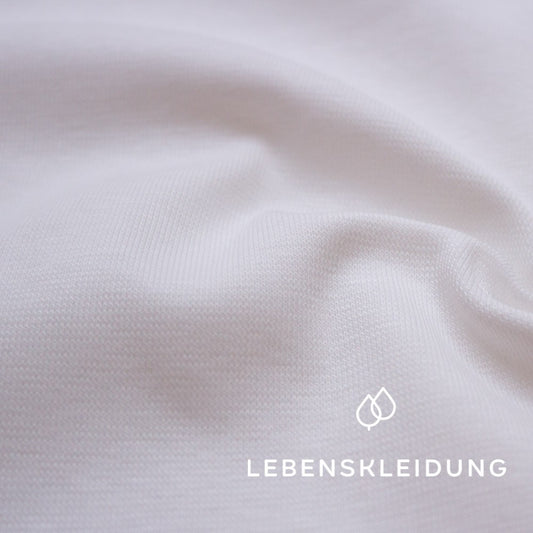
Organic ribbing fabric - White
Regular price €23,54 EURRegular price -
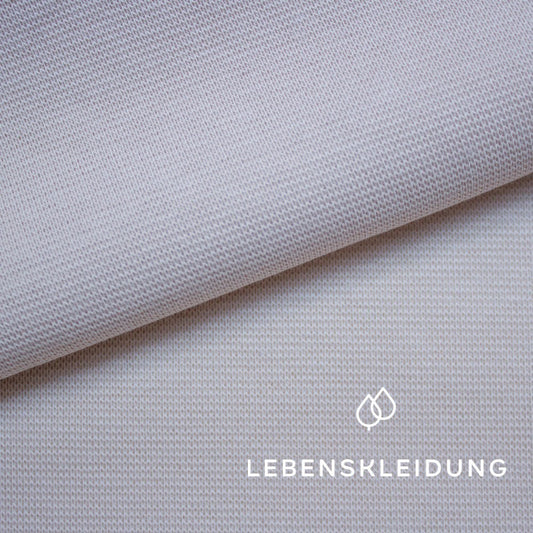
Organic ribbing fabric - Light Taupe
Regular price €23,54 EURRegular price -

 Sold out
Organic Honeycomb Rib - Ecru
Regular price €24,23 EURRegular price€0,00 EURSale price €24,23 EURSold out -
Re-Life CIRPAD® EA Single Jersey Red 210 GSM - Red
Regular price €28,36 EURRegular price
















What does recycling mean when it comes to materials?
Recycling in the textile industry can take place in various ways. The basic idea is to reuse existing materials and thus reduce the need for new raw materials. The crucial factor is not just that recycling occurs, but how it is done .
Our recycling approaches
At Lebenskleidung, we rely on various forms of textile recycling:
- Recycled cotton – e.g. from production remnants that are spun into new yarns (as with our NILCOTT® qualities).
- Refibra™ Lyocell – a fiber innovation that incorporates cotton fabric scraps into the closed lyocell cycle.
- Recycled elastane – in small proportions to enable stretchability and function without resorting to virgin material.
The exact composition and recycling content are always clearly stated in the respective product details.
Circular thinking instead of linear production
Recycling is particularly beneficial when it's part of a circular economy strategy. Instead of using materials once and then disposing of them, they remain in circulation for as long as possible. Closed-loop approaches, such as those used for lyocell fibers, are an important component of this.
Why use recycled fabrics in clothing?
We consciously include recycled materials in our product range when they offer compelling functionality and genuine ecological benefits. For us, recycled fabrics are not a replacement for sustainable new production, but a valuable addition – especially where they help to avoid textile waste and conserve resources.
This is how fabrics are created that combine quality, function and responsibility.