
-
Re-Life Fine Organic Cotton Ribbed Cuffs 1x1 - Black
Regular price €9,79 EURRegular price€11,76 EURSale price €9,79 EURSale -
Re-Life Fine Organic Cotton Ribbed Cuffs 1x1 - Navy
Regular price €9,79 EURRegular price€11,76 EURSale price €9,79 EURSale -
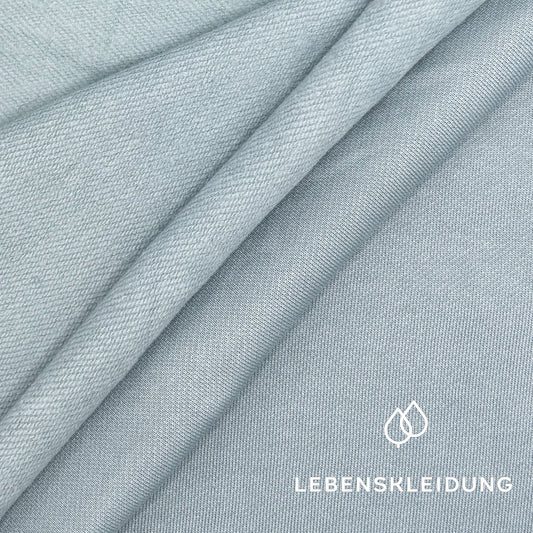
Re-Life Sweat Cotton & Recycled Polyester Cloud Blue
Regular price €10,00 EURRegular price€0,00 EURSale price €10,00 EUR -
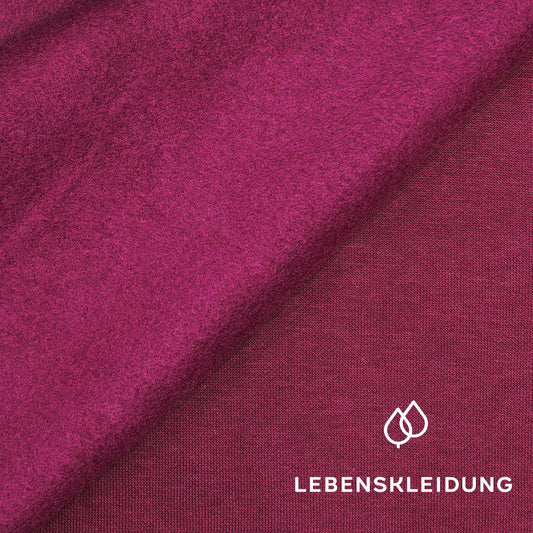
Re-Life Sweat Cotton & Recycled Polyester Merlot
Regular price €10,00 EURRegular price€0,00 EURSale price €10,00 EUR -
Re-Life Sweat Cotton & Recycled Polyester Taupe
Regular price €10,00 EURRegular price€0,00 EURSale price €10,00 EUR -
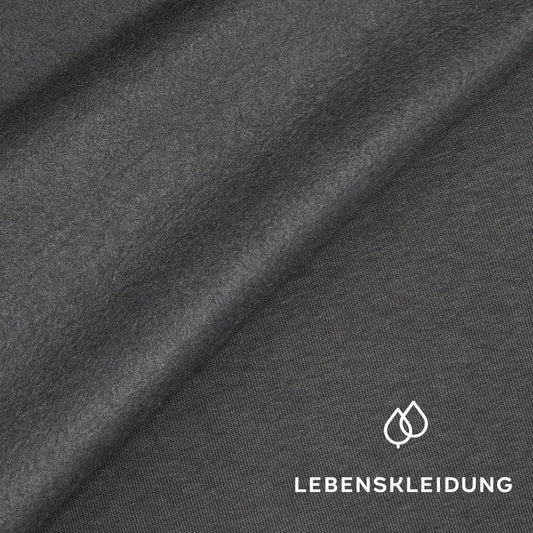
Re-Life Sweat Cotton & Recycled Polyester Anthracite
Regular price €10,00 EURRegular price€0,00 EURSale price €10,00 EUR -
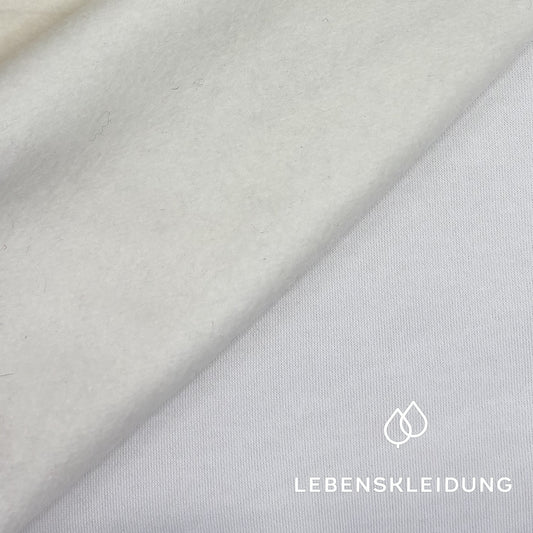
Re-Life Sweat Cotton & Recycled Polyester Off White
Regular price €10,00 EURRegular price€0,00 EURSale price €10,00 EUR -
Re-Life Cotton Lyocell Woven Fabric - Khaki
Regular price €11,66 EURRegular price€14,00 EURSale price €11,66 EURSale -
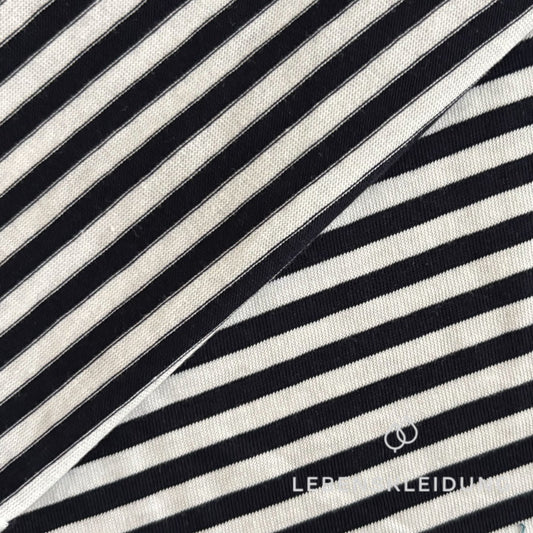
Re-Life Organic Cotton Jersey Striped - Striped Nature/Marine
Regular price €11,90 EURRegular price€14,29 EURSale price €11,90 EURSale -
Re-Life Organic Cotton Interlock Printed - Wildflower
Regular price €15,74 EURRegular price€18,90 EURSale price €15,74 EURSale -
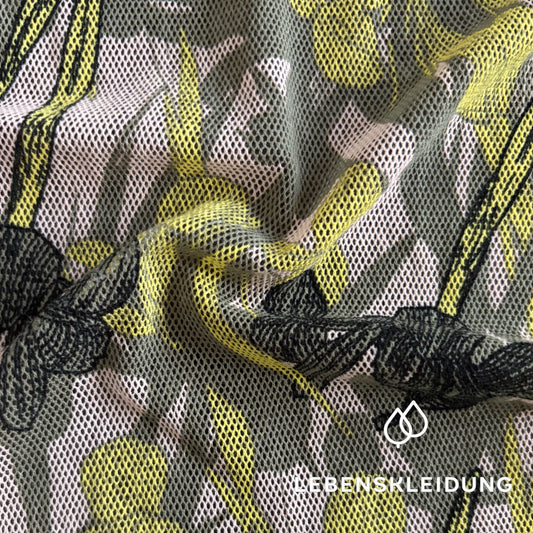
Re-Life Printed Organic Cotton Tulle Fabric - Daffodil
Regular price €16,67 EURRegular price€20,02 EURSale price €16,67 EURSale -
Re-Life Brushed Stretch Jersey with recycled cotton and Polyacrylic Black marl
Regular price €18,48 EURRegular price€22,18 EURSale price €18,48 EURSale -
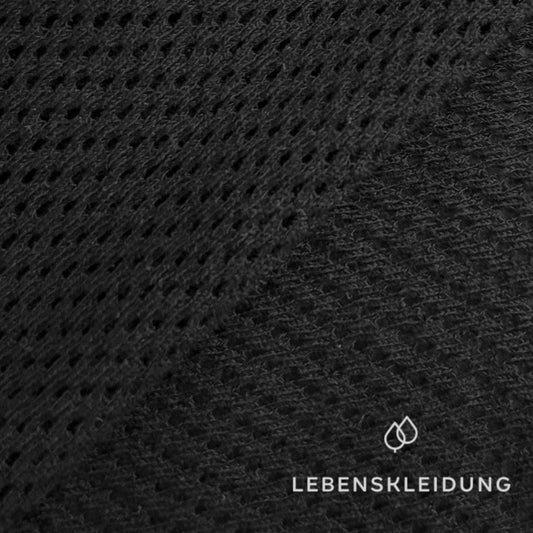
Re-Life Organic Cotton raschel Lace – Mesh Fabric - Black
Regular price €18,93 EURRegular price€22,73 EURSale price €18,93 EURSale -
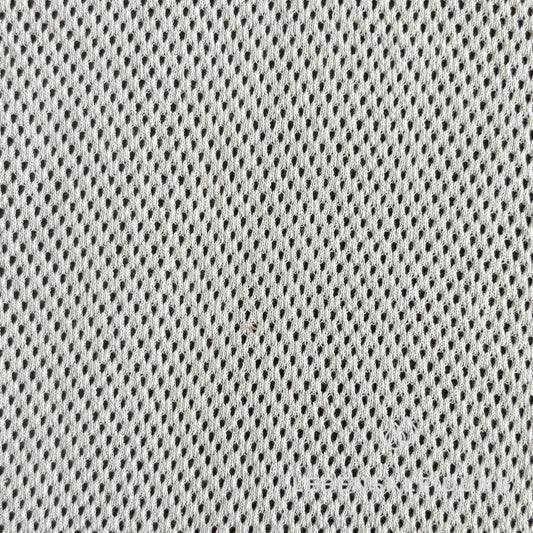
Re-Life Organic Cotton raschel Lace – Mesh Fabric - Ecru
Regular price €18,93 EURRegular price€22,73 EURSale price €18,93 EURSale -
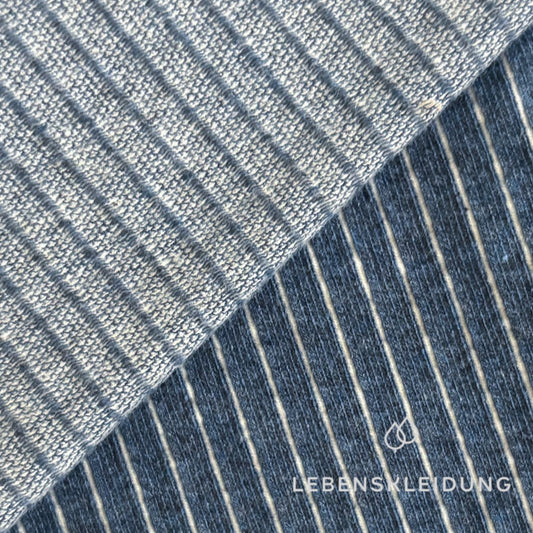
Re-Life Vertical Stripe Jacquard Jersey made from organic cotton - Denim Melange
Regular price €19,00 EURRegular price€22,82 EURSale price €19,00 EURSale -
Re-Life Rib Cuff 1x1 made of Cotton Off White
Regular price €19,58 EURRegular price€23,50 EURSale price €19,58 EURSale
















Why organic cotton is the better choice
Conventional cotton farming is one of the most environmentally damaging agricultural practices: Approximately 16% of the world's insecticides and about 7% of pesticides are used here. Organic cotton takes a different approach.
By avoiding toxic chemicals, the soil remains fertile. Water consumption is significantly reduced and emissions are minimized. Studies show that growing organic cotton requires up to 71% less water. and around 62% less energy is consumed.
Fair working conditions & transparent supply chains
Organic cotton means not only environmental protection, but also social responsibility. Farmers are not exposed to any harmful substances. They work in more stable producer groups and receive fairer prices for their harvest.
At Lebenskleidung, we try to trace the supply chain of our organic cotton as far as possible. traceable right back to the fiber. Our cotton comes from Turkey, among other places, Uganda, Kyrgyzstan, and selected projects in India. It is processed in certified facilities in Portugal, Germany, and the Czech Republic. and other European production sites.
Organic cotton, GOTS & deadstock – clearly separated, transparently communicated
A large proportion of our organic cotton fabrics are certified according to the Global Organic Textile Standard (GOTS). These materials meet strict ecological and social criteria throughout the entire production chain.
In addition, we also carry organic cotton fabrics from deadstock collaborations. These fabrics come from overproduction or leftover stock from sustainable labels. and are deliberately reused to conserve resources. You can clearly and unambiguously tell whether a fabric is GOTS-certified or deadstock. in the respective product details.
Versatile organic cotton fabrics for your projects
Organic cotton is extremely versatile: it is skin-friendly, breathable, and durable. and is suitable for a wide range of applications – from clothing to accessories ...including home textiles.
Whether you're a label developing sustainable collections or a hobby seamstress/sewer You consciously choose materials: With organic cotton, you make a decision, which combines quality, functionality and responsibility.
Organic cotton is not a trend – it's an attitude. And every conscious choice of material changes the market.