
-
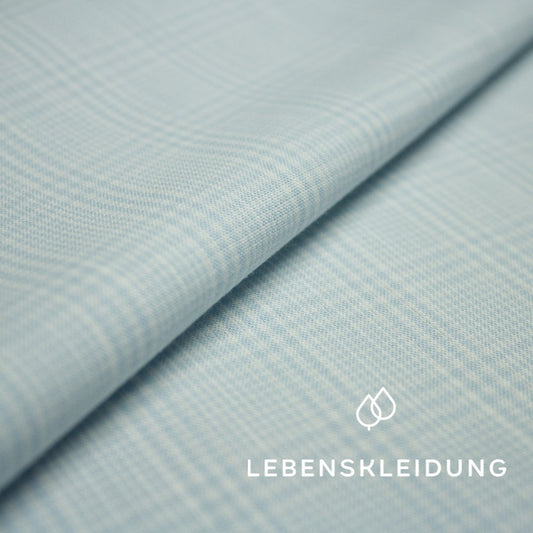
Deadstock Poplin - Soft Blue White
Regular price €10,98 EURRegular price€13,19 EURSale price €10,98 EURSale -
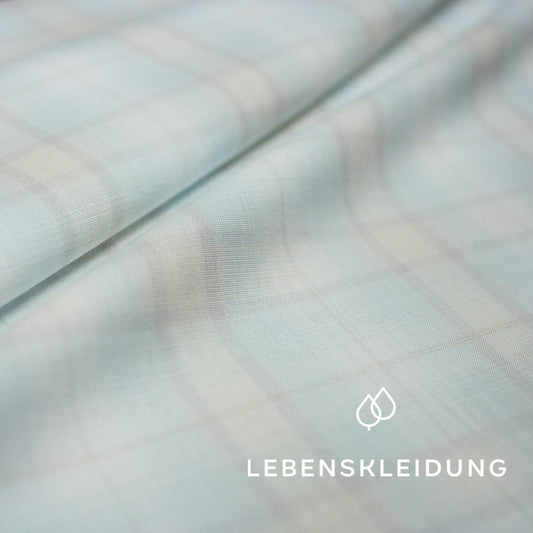
Deadstock Poplin - Caro Grey
Regular price €10,98 EURRegular price€13,19 EURSale price €10,98 EURSale -
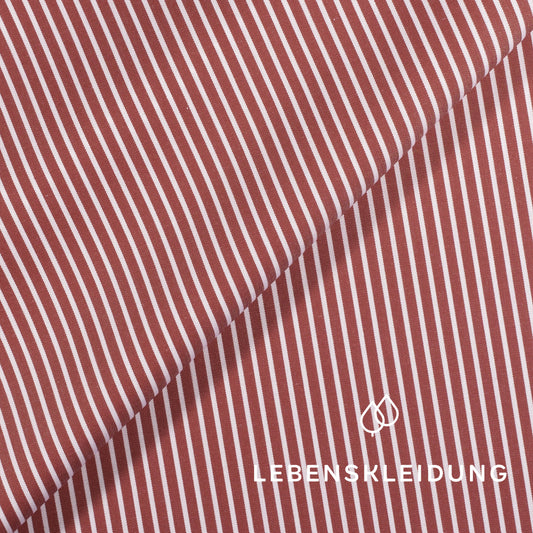
Re-Life Cotton Poplin - Red and White Striped
Regular price €11,66 EURRegular price€14,00 EURSale price €11,66 EURSale -
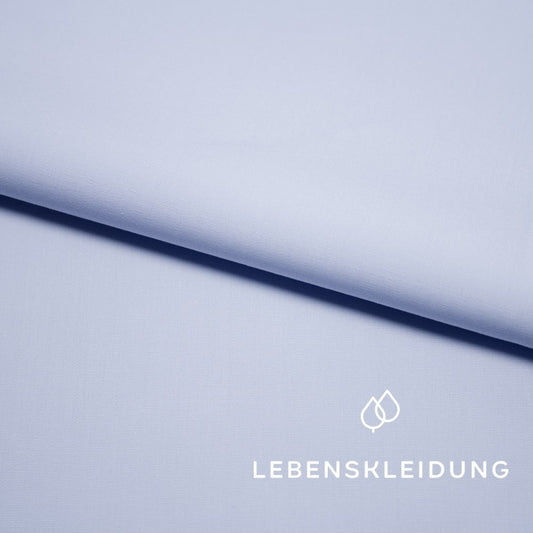
Lyocell Poplin - Sky Blue
Regular price €12,07 EURRegular price€14,48 EURSale price €12,07 EURSale -
Organic Poplin 42/24 - White
Regular price €15,66 EURRegular price€22,80 EURSale price €15,66 EURSale -
Organic poplin 52/27 - Black
Regular price €18,91 EURRegular price€29,29 EURSale price €18,91 EURSale -
Organic Poplin 58/28 - White
Regular price €18,91 EURRegular price€29,29 EURSale price €18,91 EURSale -
Organic Poplin 58/28 - Slate
Regular price €22,93 EURRegular price€35,78 EURSale price €22,93 EURSale -
Organic poplin 58/28 - Black
Regular price €22,93 EURRegular price€33,30 EURSale price €22,93 EURSale -
Organic poplin 58/28 - Far blue
Regular price €22,93 EURRegular price€33,30 EURSale price €22,93 EURSale -
Organic poplin 58/28 - Light blue
Regular price €22,93 EURRegular price€35,78 EURSale price €22,93 EURSale -
Re-Life Poplin Fabric - Grey
Regular price €24,36 EURRegular price€29,25 EURSale price €24,36 EURSale






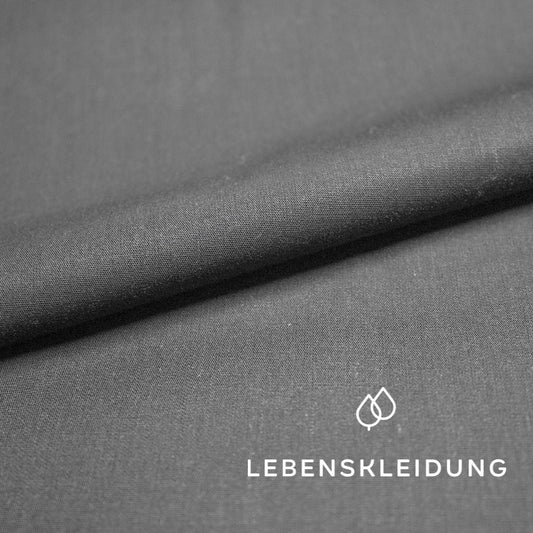

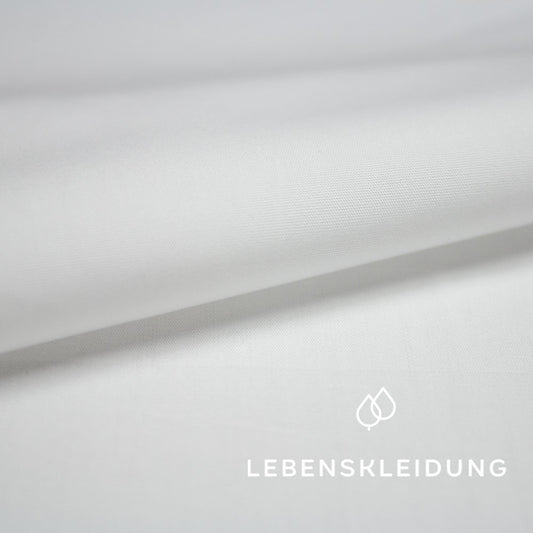

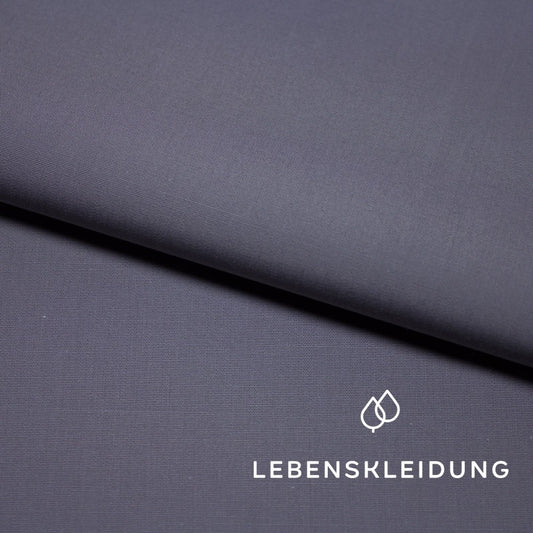

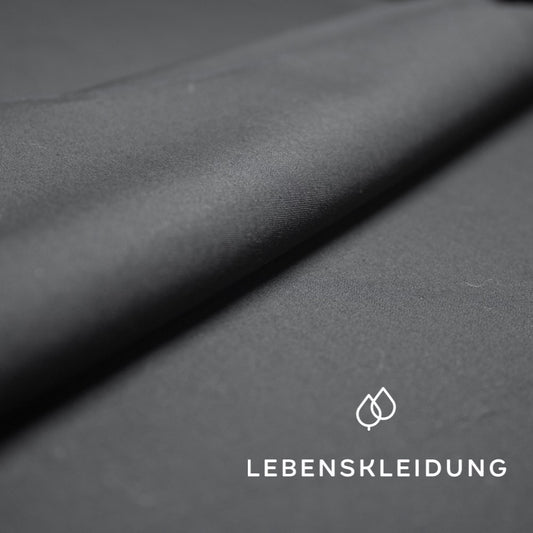


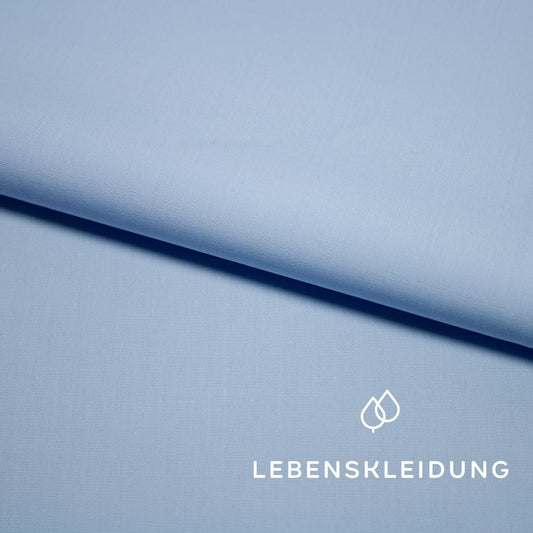

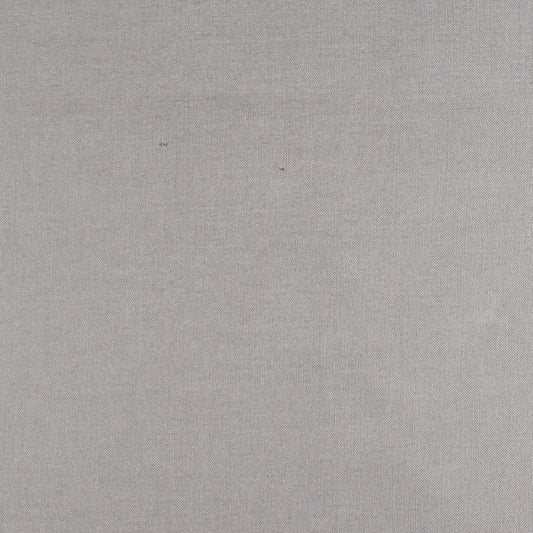
Poplin as a lifestyle fabric at a glance
Plain weave creates a fine fabric structure, making poplin indispensable wherever elegance and comfort are desired – in blouses, thinner jackets or fine transitional coats, for example.
- Poplin has a thick weft thread and a thin warp thread. This creates a fine ribbed texture that is characteristic of the fabric. While it was often made from silk in the past, other materials have become more common today – including, of course, cotton.
- In the 19th century, poplin was primarily used for dresses and upholstery. Its ability to strike the perfect balance between a high-quality appearance and great durability makes it so versatile. Even today, its uses are virtually limitless – you can sew it into blouses, dresses, or jackets, as well as textiles for the home.
- Poplin is a wonderful fabric for beginners. Thanks to its smooth surface and the fact that it doesn't contain elastane, poplin is easy to work with and delivers fantastic results in no time, results that shine both inside and out.
- Wrinkle-resistant and always in top condition – that's poplin. Should it develop a few creases, you can of course iron it. Otherwise, simply wash it at low temperatures, smooth it out, and then let it air dry.
What is poplin fabric?
Poplin fabric, also known as linoleum, is a tightly woven material known for its fine texture and durable quality. This fabric has a characteristic ribbed structure that gives it a distinctive look.
When did poplin fabric become popular?
Poplin first became popular in the 15th century in the French city of Avignon. At that time, it was a symbol of luxury and was frequently used for the clothing of the nobility. Over time, poplin found its way into everyday fashion and became increasingly popular for shirts, blouses, and dresses.
How is poplin fabric used?
Poplin fabric is often used for formal wear such as shirts and blouses, but also for other garments like skirts and dresses. The strength and versatility of poplin fabric make it an excellent choice for many different garments.
What's the best way to work with poplin fabric?
If you want to work with poplin fabric, here are some tips that can help you:
- Pre-wash: Wash the fabric before processing to avoid any shrinkage.
- Correct needle: Use a fine, sharp needle to avoid damaging the material.
- Ironing: Iron the fabric before cutting so that it is smooth and easy to handle.
- Sewing technique: Use a tight seam to maintain the firmness of the fabric, and pay attention to the direction of the ribs when sewing.
These tips will help you ensure you get the most out of your poplin fabric and achieve a high-quality end product.
The long history of poplin fabrics
Poplin fabrics have an interesting history dating back to the 15th century. Originally produced in the French city of Avignon, they were known for their high quality. Over time, poplin fabrics gained widespread popularity and were used in various cultures and countries.
Poplin fabrics - what were those again?
Poplin fabrics are super lightweight and soft cotton fabrics produced using a special weaving technique. They are characterized by a smooth surface and high breathability – perfect for when things get a little sweaty. Poplin fabrics are typically densely woven and have a slight sheen. They are known for their softness and pleasant feel.
Clothing made from poplin fabrics
Poplin fabrics are used in a variety of applications. They are used, for example, to make shirts, blouses, and tunics, but these are just the most prominent examples. Due to their lightweight and breathable properties, they are particularly well-suited for warm weather or for garments that should be comfortable and airy. Poplin fabrics can also be used for bed linens, curtains, and tablecloths.
The special characteristics of poplin fabrics
Poplin fabrics have several remarkable properties that distinguish them from other fabrics. They are lightweight, soft, and pleasant against the skin. Their high breathability allows for good air circulation and ensures a comfortable feel, even in warm weather. Poplin fabrics are also very durable and retain their shape and color even after multiple washes.
Caring for poplin fabrics
To ensure you enjoy your poplin garments or home textiles for a long time, proper care is essential. Poplin fabrics can generally be machine washed at low temperatures. However, always check the care label for the correct instructions. To prevent shrinkage, it's best to hang or lay poplin fabrics flat to dry. Ironing is usually possible at a medium temperature.