
-
Re-Life Organic Cotton Stretch Twill - Prairie Sand
Regular price €22,66 EURRegular price -
Re-Life Organic Cotton Stretch Twill - Majorca Blue
Regular price €22,66 EURRegular price -
Re-Life Organic Cotton Stretch Twill - Monks Robe
Regular price €22,66 EURRegular price -
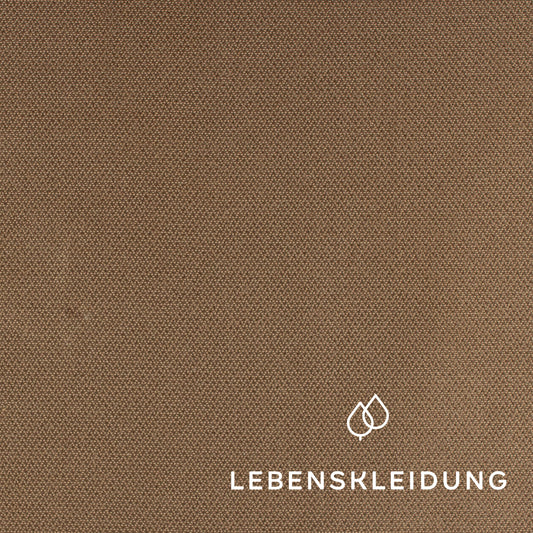
Organic twill weave - natural brown
Regular price €22,93 EURRegular price€35,78 EURSale price €22,93 EURSale -
Organic smock - natural petrol
Regular price €22,93 EURRegular price€35,78 EURSale price €22,93 EURSale -

 Sale
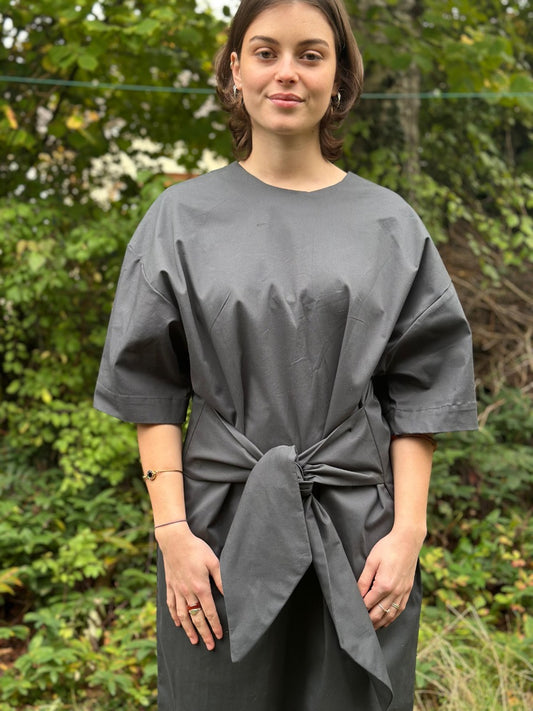
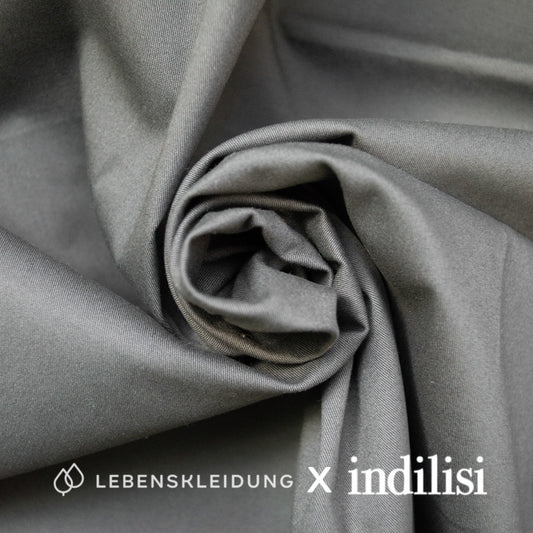
SaleOrganic twill - Grey
Regular price €22,93 EURRegular price€35,78 EURSale price €22,93 EURSale -
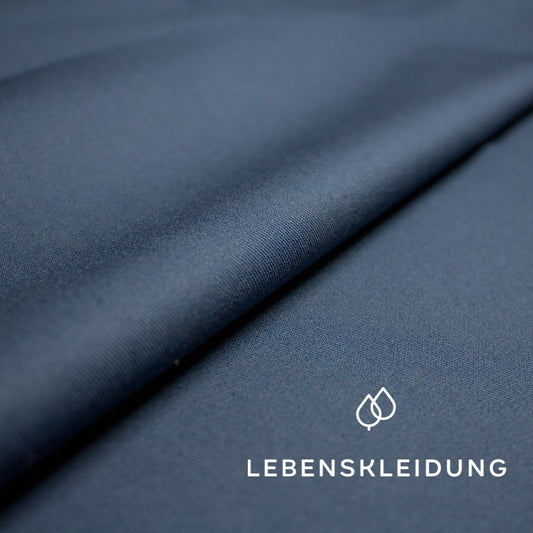
Organic twill - Dark blue
Regular price €22,93 EURRegular price€35,78 EURSale price €22,93 EURSale -

 Sold out
Organic twill - Beige
Regular price €23,59 EURRegular price€0,00 EURSale price €23,59 EURSold out -
Organic twill - White
Regular price €23,63 EURRegular price -
Organic twill - white without optical brighteners - extra long staple
Regular price €24,37 EURRegular price€34,00 EURSale price €24,37 EURSale -
Organic twill, water-repellent - Dark blue
Regular price €24,37 EURRegular price€34,00 EURSale price €24,37 EURSale -
Organic twill, water-repellent - Khaki
Regular price €24,37 EURRegular price€37,95 EURSale price €24,37 EURSale -
Organic Pima Twill Twill - White without optical brighteners
Regular price €24,37 EURRegular price€36,79 EURSale price €24,37 EURSale -
Re-Life Twill with Stretch - Grey
Regular price €24,67 EURRegular price -
Organic twill - brown
Regular price €26,18 EURRegular price -
Organic Pima Twill Twill - Navy
Regular price €26,54 EURRegular price€41,19 EURSale price €26,54 EURSale






A twill fabric for all occasions!
Lebenskleidung twill fabrics naturally come with the GOTS seal. They are made from Ugandan organic cotton, which is then processed in Europe. Whether you want to use the organic twill fabric for trousers or jackets – you'll make yourself and the environment happy!
- Our portfolio includes a wide variety of twill fabrics. Besides classic twill in exciting, intense colors like berry or platinum, we also offer cross twill with alternating rib directions, which is particularly high-quality and has a subtle sheen.
- Our black wave twill is a fabric for special occasions, which – as the name suggests – has wavy twill ridges and is quite an eye-catcher.
- Twill fabric is less tightly woven than, for example, plain weaves, but is still quite firm. This makes it ideal for trousers or jackets – basically anything that needs a certain degree of firmness but should also look high-quality.
- Perhaps the most famous twill fabric is denim. However, it has become so famous in its own right that it no longer takes credit for others' work, but confidently stands on its own merits. And yet, you'll still be able to easily identify any of your favorite jeans if you take a closer look at the rib pattern.
Twill weave: Robust structure and timeless pattern
When it comes to durable textiles with a distinctive pattern, twill weave is an excellent choice. In this article, you'll learn more about the advantages and history of twill, a versatile weave popular in both the fashion and interior design industries.
The many advantages of twill weave
Twill weave is characterized by its robust structure, which gives the fabric high durability. The characteristic pattern of twill is created by staggered weaves, resulting in diagonal lines on the surface. This diagonal arrangement makes twill particularly resistant and long-lasting. Garments and home textiles made from twill are therefore ideally suited for everyday use. Furthermore, twill offers a wide range of design possibilities, from subtle patterns to striking designs.
The history of body binding
The history of twill weave stretches far back and can be found in many cultures. Even in antiquity, twill was used to produce robust fabrics. Over time, various variations of twill weave developed, which were used in a wide range of applications in the textile industry. Today, twill weave is still used in traditional weaving mills as well as in modern textile factories.
The application areas of twill weave
Twill weave is used in various fields. In the fashion industry, it is often used for the production of jeans, jackets, blazers, and skirts. The diagonal pattern gives the garments a distinctive aesthetic and durability. In interior design, twill weave is valued for bed linens, tablecloths, towels, and curtains. The versatility of twill weave makes it a popular choice for timeless and stylish textiles.
Care instructions for twill weaves
To preserve the quality and durability of twill weaves, proper care is essential. Twill fabrics can generally be washed at low temperatures. However, always follow the specific care instructions on the label. Use gentle detergents and lay the fabrics flat to dry to maintain their shape and structure. With proper care, twill weaves will remain robust and beautiful for a long time.